
Living Together / 3 min read
The Politics of the Warmest Chair
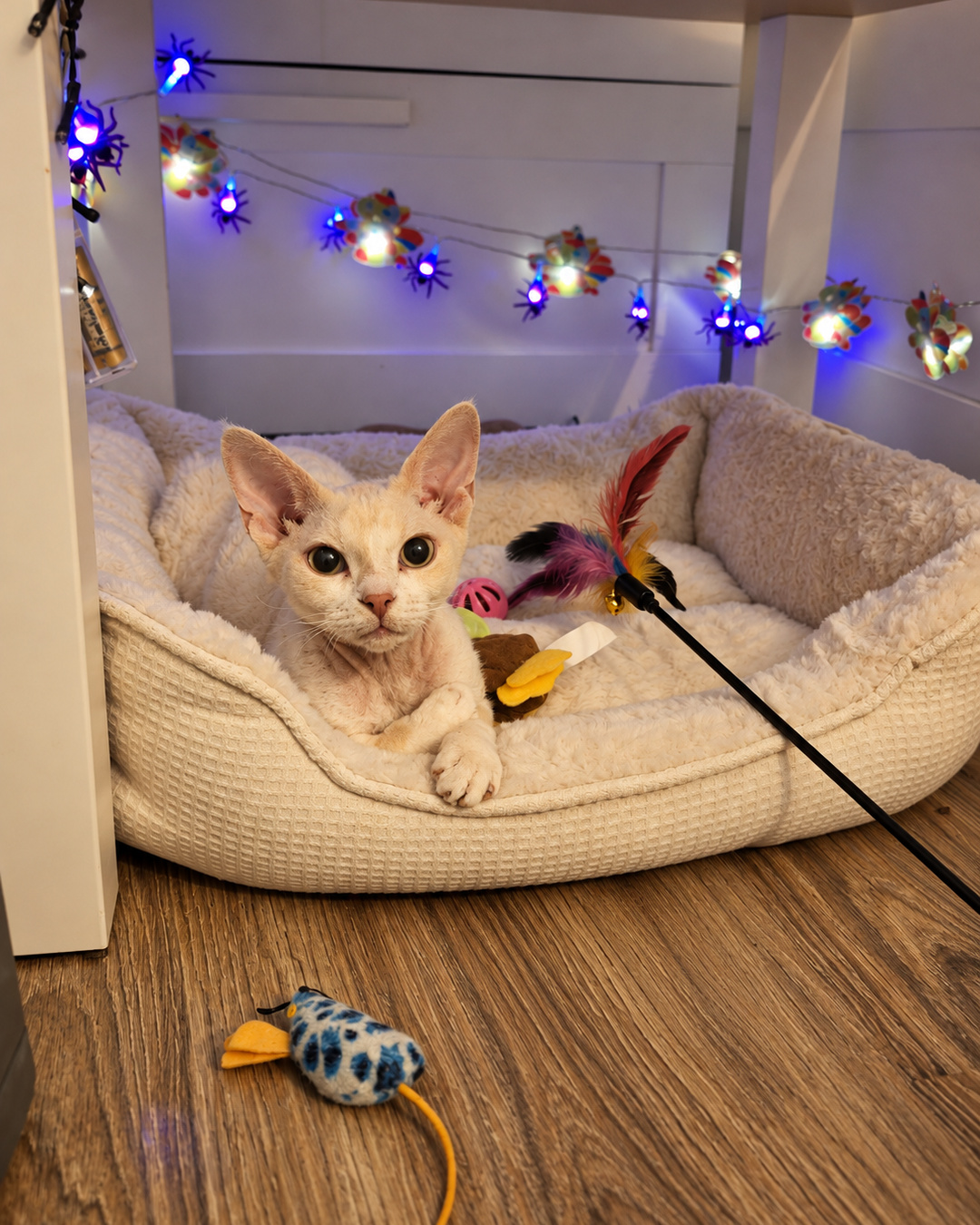
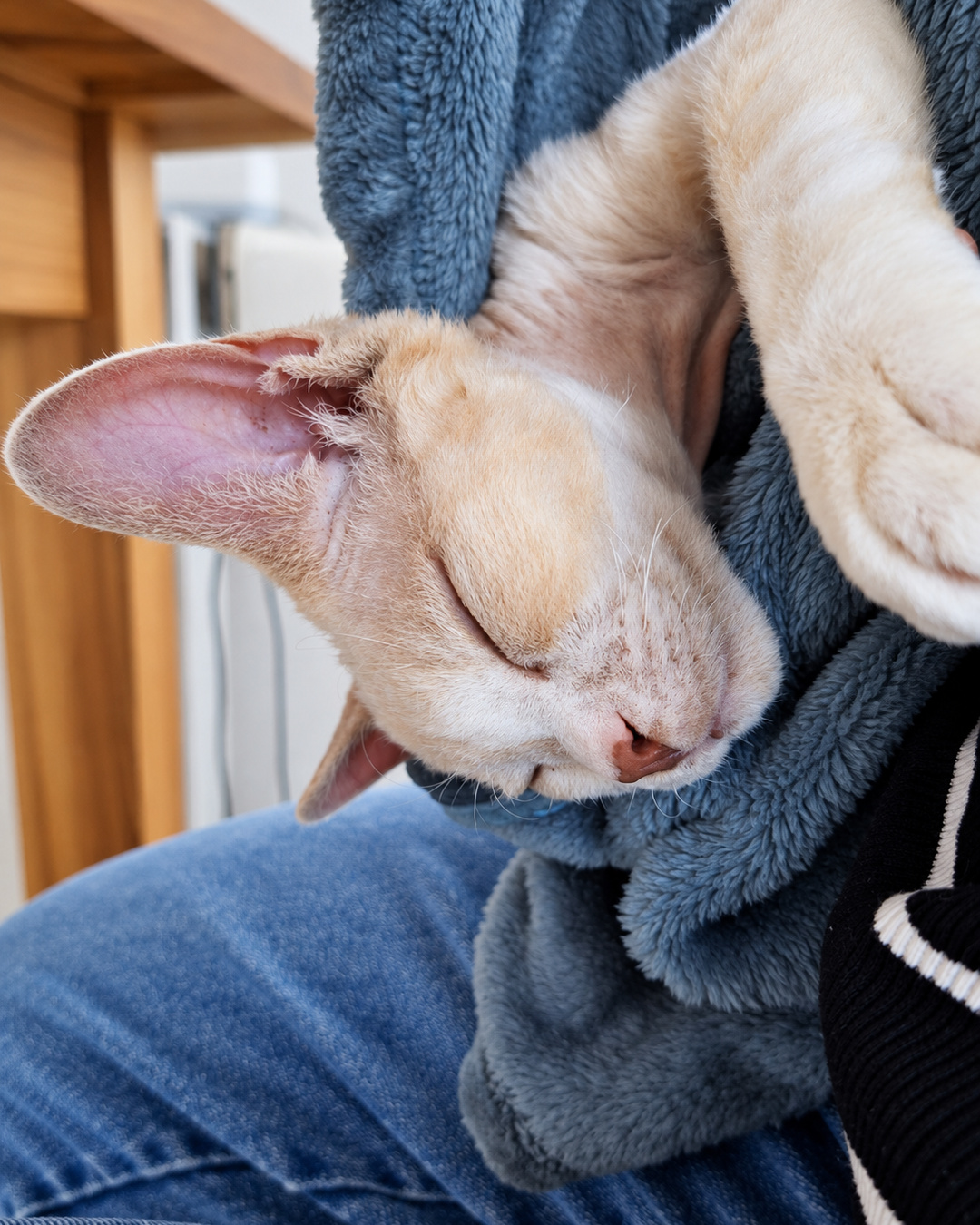
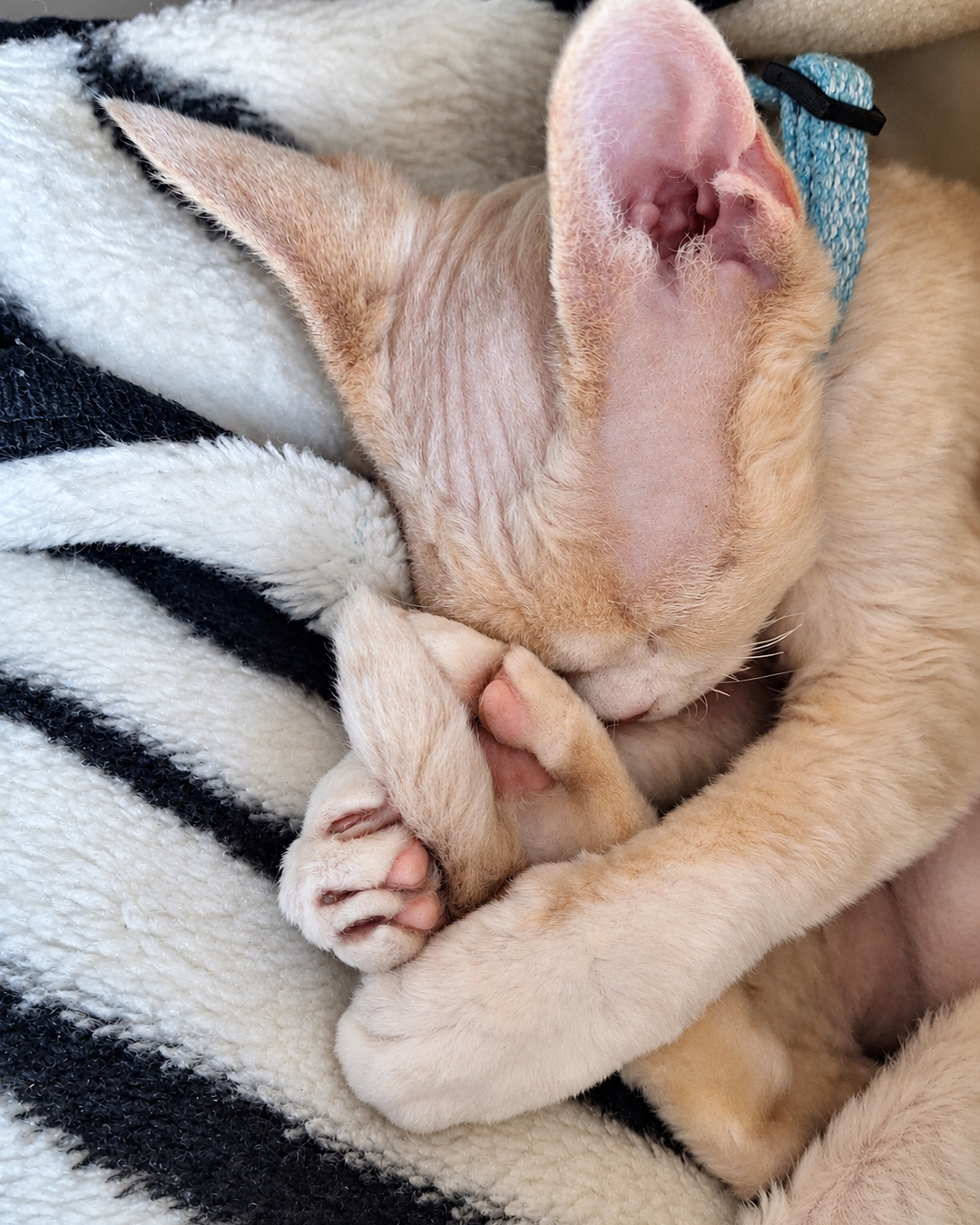
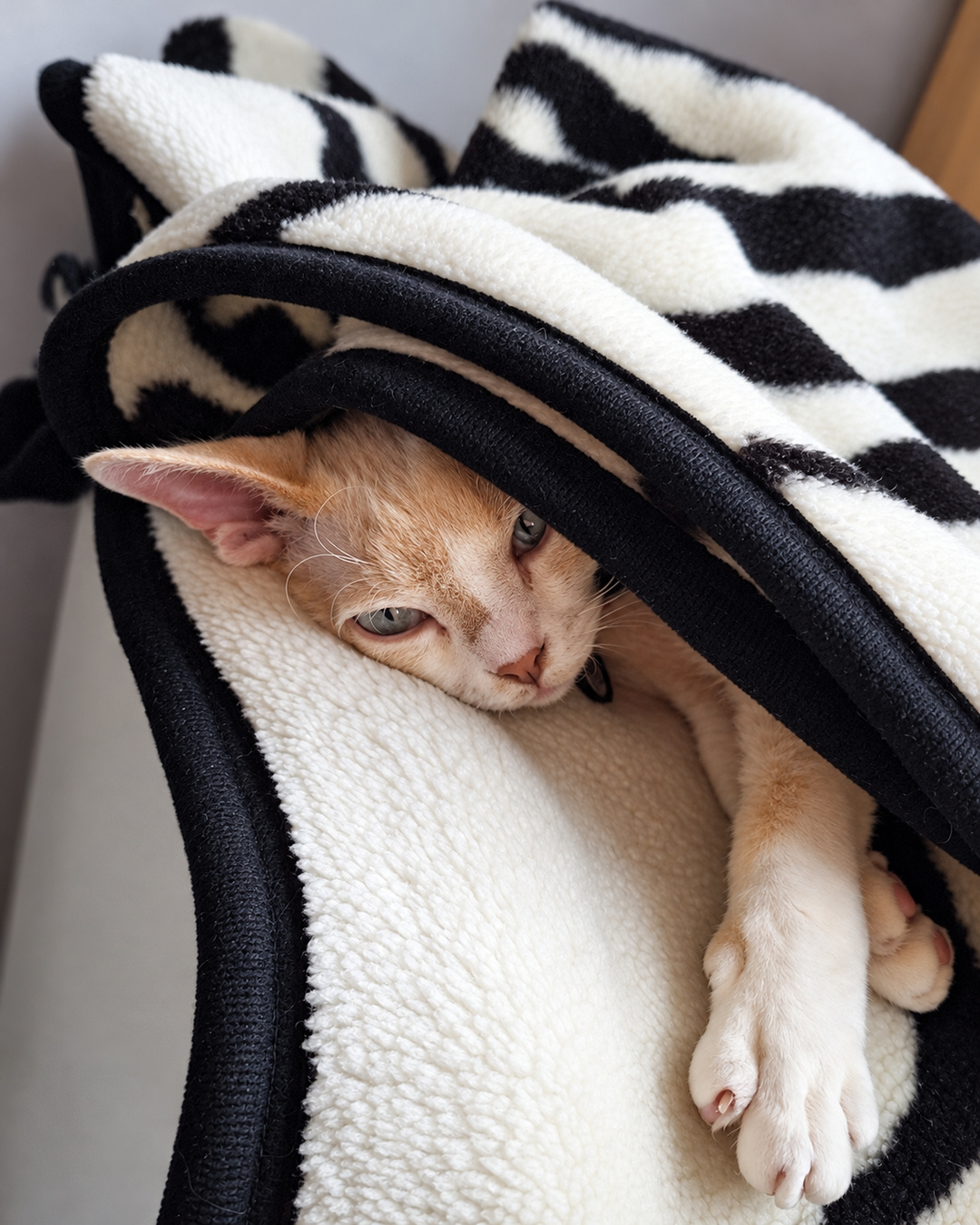
Sharing a home with a cat means private property is mostly an illusion. The best seat in the house is rarely yours for long. It might be the patch of cushions catching the afternoon sun, or the desk chair you just vacated after hitting send on one last email. Stand up for coffee, and a new occupant appears. No meeting, no paperwork—just a very quiet, absolute transfer of power. Most humans write this off as a playful nuisance or a tiny power grab. But through the lens of feline ethology and evolutionary biology, claiming a warm seat is a precise bio-energetic and social strategy. Your cat isn’t occupying your chair to prove a point; they are stepping straight into a perfectly calibrated microclimate saturated with the most vital olfactory cues in your shared ecosystem. The Republic’s stance is straightforward: shared space works best when every Citizen has a comfortable place to retreat. Rather than turning every empty chair into a daily diplomatic negotiation, understanding the biological driver behind the choice lets you design a peaceful coexistence—starting with a warm blanket placed thoughtfully nearby. The Science Behind the Warm Seat: 3 Evidence-Based Facts Thermoneutral Comfort Zone (86–100°F / 30–38°C): While the human thermoneutral zone sits comfortably around 68–72°F, a domestic cat's metabolic thermoneutral zone spans from 86°F to 100°F. In this range, cats expend zero extra metabolic energy to maintain core body heat. The warm seat acts as a vital thermal buffer. (Source: National Research Council, Nutrient Requirements of Dogs and Cats, 2006) Olfactory Blending & "Colony Scent": A freshly abandoned chair is saturated with human skin lipids and scent. When a cat settles in, they rub their cheeks and paws against the fabric, depositing facial pheromones. This blends human and feline signatures into a unified "colony scent" that signals social safety. (Source: Bradshaw, J. W. S., Cat Sense: How the New Feline Science Can Make You a Better Friend to Your Pet, 2012) Cortisol Reduction via Elevated Vantage Points: Desks and office chairs offer elevated vantage points that maximize spatial awareness and a sense of control. Ethological studies show that access to elevated, comfortable resting surfaces directly correlates with lower salivary cortisol levels. (Source: Krysiak et al., Journal of Feline Medicine and Surgery, 2018)
Read article